понедельник, 29 июня 2015 г.

Мальта | Malta

Мальта – маленькое островное государство, расположенное в центре Средиземного моря, между Европой и Северной Африкой. Этот густонаселенный остров расположен в 90-95 км к югу от Сицилии, восточнее Туниса и севернее Ливии. Остров Мальта входит в состав Мальтийского архипелага, состоящего из семи островов, из которых лишь три являются обитаемыми. В силу своего стратегического расположения в Средиземном море Мальта издавна очень часто подвергалась нападению со стороны иноземных захватчиков - сицилийцев, римлян, финикийцев, византийцев и т.д. Однако история Мальты неразрывно связана с рыцарями Ордена Святого Иоанна, управлявшими островом 268 лет.
-------------------------------
Malta – the small island state located in the center of the Mediterranean Sea between Europe and North Africa. This densely populated island is located in 90-95 km to the South from Sicily, to the east of Tunisia and to the north of Libya. The island of Malta is a part of the Maltese archipelago consisting of seven islands from which only three are manned. Owing to the strategic arrangement in the Mediterranean Sea Malta long since very often was attacked from overseas aggressors - by Sicilians, Romans, Phoenicians, Byzantines, etc. However the history of Malta is inseparably linked with the knights of the Award of Saint Ioann operating the island of 268 years.

воскресенье, 28 июня 2015 г.

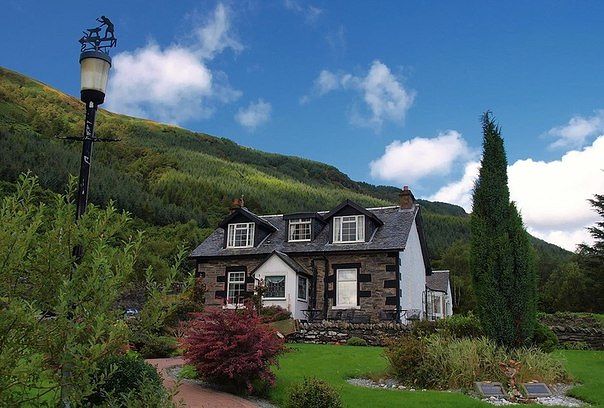
Живописная деревня на озере Лох-Ломмонд, Шотландия. / The picturesque village on the lake Lokh-Lommond, Scotland.


 Ласс (Luss)– это одна из самых красивых деревушек во всех окрестностях Loch Lomond в Шотландии. Есть легенда, что деревня берет свое имя от адаптации французского языка, от королевского геральдического цветка, ириса, или Флер де Лис . Согласно легенде местная девочка вышла замуж за высокопоставленного французского чиновника в 14-ом столетии. Она умерла во Франции, но ее тело было возвращено в Шотландию, чтобы быть похороненным Лох-Ломонде; ее муж усыпал ее могилу Флер де Лис, и, как говорят, цветы пустили корни и росли здесь до сих пор.


----------------- -----------------------
Ласс (Luss) is one of the most beautiful small villages in all vicinities of Loch Lomond in Scotland. There is a legend that the village prevails a name from adaptation of French, from a royal heraldic flower, an iris, or Fleur de Lis. According to a legend the local girl married the high-ranking French official in the 14th century. She died in France, but her body was returned to Scotland to be buried Loch Lomond; her husband covered its grave of Fleur de Lis, and as speak, flowers took root and grew here still.

10 фактов о Мальдивских островах / 10 facts about the Maldives

10 фактов о Мальдивских островах 1. Мальдивская Республика — государство, располагающееся в экваториальных водах Индийского океана. Всего насчитывается около 1200 коралловых островков, формирующих своеобразную двойную цепь из 26-ти атоллов, которые расположены перпендикулярно экватору. Всего лишь 202 острова заселены, остальные необитаемы. 2. Большинство островов можно перейти пешком за 20-30 минут из-за их малого размера. Длина самого протяженного острова Мальдив составляет всего 8 километров. 3. Предположительно, Мальдивские острова имеют вулканическое происхождение. 4. Мальдивы славятся удивительным рекордом — здесь самая низкая в мире самая высокая точка. Всего лишь 2,4 метра! Из-за низкой высоты земли над уровнем моря Мальдивам всерьез угрожает затопление. 5. Столица Мальдив — город Мале. Мале — самая маленькая столица в мире(площадь города всего 6 км). А Мальдивская республика — самое маленькое азиатское государство в мире. 6. Единственный мальдивский аэропорт Хулуле(также называемый Мале) интересен тем, что его взлетно-посадочная полоса начинается и заканчивается прямо у воды. 7. Штраф за повреждение кораллов на Мальдивах составляет 500 долларов. Запрещается вывозить кораллы и черепашьи панцири. 8. На Мальдивские острова запрещается ввозить алкоголь, свинину и колбасу. За сокрытие привезенного алкоголя штраф все те же 500 долларов. 9. От высоких волн и штормов Индийского океана Мальдивские острова эффективно защищаются с помощью барьерных рифов. 10. Мальдивские острова знамениты удивительным разнообразием морских форм жизни. Потрясающие кораллы, более 2-х тысяч видов рыб, редкие черепахи, а также уникальные для этого региона создания, такие как рифовые и китовые акулы, мурены, манты, скаты и многие другие.
--------------------------------
 10 facts about the Maldives

1. The Republic of Maldives — the state which is located in the equatorial waters of the Indian Ocean. In total about 1200 coral islands forming a peculiar double chain of 26 atolls which are located perpendicular to the equator are. Only 202 islands are populated, the others are uninhabited.

2. The majority of islands can be passed on foot in 20-30 minutes because of their small size. Length of the most extended island Maldiv makes only 8 kilometers.

3. Allegedly, the Maldives have a volcanic origin.

4. Maldives are famous for a surprising record — here the lowest in the world the highest point. Only 2,4 meters! Because of the low height of the earth above sea level Maldives are threatened seriously by flooding.

5. The capital Maldiv — the city of Male. Male — the smallest capital in the world (a square of the city of only 6 km). And the Republic of Maldives — the smallest Asian state in the world.

6. The only Maldivian airport of Hulule (which is also called by Male) is interesting to that its runway begins and comes to an end directly at water.

7. The penalty for damage of corals on Maldives makes 500 dollars. It is forbidden to take out corals and turtle armors.

8. To the Maldives it is forbidden to import alcohol, pork and sausage. For concealment of the brought alcohol a penalty the same 500 dollars.

9. The Maldives are effectively protected from high waves and storm of the Indian Ocean by means of barrier reeves.

10. The Maldives are well-known for a surprising variety of sea forms of life. Tremendous corals, more than 2 thousand species of fish, rare turtles, and also creations, unique for this region, such as reef and whale sharks, moray eels, manti, slopes and many others.

суббота, 27 июня 2015 г.

Римский Колизей , Италия, Рим / Roman Colosseum, Italy, Rome

Римский Колизей — символ величия «вечного города» Колизей — один из самых монументальных памятников римской эпохи — является символом Италии в той же степени, как Эйфелева башня для Франции или Кремль для России. Название «Колизей» памятник получил в Средние века от искаженного латинского слова «сolosseum» (колоссальный), а в Имперском Риме его называли амфитеатром Флавиев — в честь императорской династии. Римский Колизей ИталияАмфитеатр был построен за 8 лет — строительство начал император Веспасиан в 72 году и завершил в 80 году его сын Тит. Открытие Колизея ознаменовалось 100-дневными увеселительными мероприятиями. За это время в гладиаторских турнирах погибло несколько тысяч воинов и 5 тысяч хищных зверей, привезенных из Африки. Арена театра имела раздвижной пол, который поднимался и опускался, а с помощью водопровода, подведенного к Колизею, сцену заполняли водой и устраивали морские сражения. На арене могли одновременно сражаться до 3000 гладиаторов, а 50 тысяч зрителей, неистово требующих «хлеба и зрелищ», напряжённо следили за кровавыми битвами, гонками на колесницах и театральными представлениями.
По размаху торжеств, посвящённых открытию Колизея, мог сравниться лишь кроваво отпразднованный 1000-летний юбилей Рима в 248 году, когда всего за 3 дня были убиты десятки львов, тигров, леопардов, слонов, жирафов, лошадей, ослов и гиен. 1000-летний юбилей «вечного города» стал последним днём жизни для 2000 гладиаторов. Гладиаторские битвы и звериные травли продолжали происходить на арене Колизея до IV века. Однажды в разгар одного из сражений монах Телемах ринулся на сцену Колизея и начал разнимать гладиаторов. Возмущённая публика забила насмерть камнями ни в чём неповинного старика, и это убийство так потрясло императора Гонория, что он запретил кровавые забавы как противоречащие духу христианства. Гладиаторские игры пришли в упадок ещё и потому, что для Рима наступили сложные времена, город постоянно подвергался набегам вандалов. Архитектура Колизея Как и другие римские амфитеатры, Колизей имеет форму эллипса, в центре которого находится арена. Вокруг арены расположены в 4 яруса постепенно повышающиеся места для зрителей. Римский Колизей в РимеМеста распределялись в зависимости от социального статуса присутствующих: на 1-ом ярусе размещались ложи для высшей знати, а 2-ом — мраморные кресла для почётных гостей, и лиц, принадлежащих к сословию всадников или имеющих права римского гражданства, на 3-ем — деревянные скамьи для простолюдинов. На 4-ом этаже с помощью канатов прикреплялся огромный льняной холст, создающий тень над ареной в знойные дни. Благодаря проходам, обустроенным по всему периметру амфитеатра, публика могла быстро, всего за 15 минут занять пронумерованные места. Под ареной Колизея находились подземные переходы, клетки с оленями, медведями и львами, а также сложные подъёмные механизмы, позволяющие в считанные минуты доставить гладиаторов и зверей наверх и возвести пышные декорации. С наружной стороны Колизей представляет собой четырёхъярусное строение. Первые три этажа образованы аркадами по 80 арок, а последний выстроен в виде высокой сплошной стены с небольшими прямоугольными окнами. Арочные проёмы богато декорированы приставными полуколоннами с антаблементами, выполненными в тосканской, ионической и коринфской художественной обработке. Стены Колизея воздвигнуты из крупных блоков травертина, скреплённых между собой стальными скобами общим весом примерно 300 тонн. До наших дней уцелели лишь несущие конструкции Колизея, а статуи и лепнина, украшавшие арки, либо разгромлены варварскими племенами, либо разрушены временем. Римский Колизей — исполин из прошлого В 476 году Римская империя пала, но Колизей и в XXI веке величественно возвышается между холмами Рима, на том месте, где когда-то был пруд, относящийся к «Золотому дому» Нерона. Кстати, по одной из версий, название «Колизей» произошло от огромной бронзовой статуи Колосс Нерона высотой в 30 м, стоявшей поблизости. Несмотря на то, что в Средние века Колизей утратил более 2/3 своей первоначальной массы из-за землетрясений и строителей, растаскавших его на камни, сооружение по-прежнему внушает восхищение своей грандиозностью. В 2007 году Колизей вошёл в список «Новых семи чудес света».
--------------------------------
The Roman Colosseum — a greatness symbol of "the eternal city" the Colosseum — one of the most monumental monuments of the Roman era — is a symbol of Italy in the same degree, as the Eiffel Tower for France or the Kremlin for Russia. The monument received the name "Colosseum" in the Middle Ages from the distorted Latin word "colosseum" (enormous), and in Imperial Rome it called an amphitheater Flaviyev — in honor of an imperial dynasty. The Roman Colosseum Italiyaamfiteatr was constructed in 8 years — construction there began the emperor Vespasian in the 72nd year and the son Titus finished in the 80th year it. Opening of the Colosseum was marked by 100-day pleasure actions. During this time in gladiatorial tournaments some thousands of soldiers and 5 thousand wild animals brought from Africa were lost. The arena of theater had a sliding floor which rose and fell, and by means of the water supply system brought to the Colosseum, a scene filled with water and arranged sea battles. On the arena could battle at the same time to 3000 gladiators, and 50 thousand audience who is violently demanding "some bread and shows", tensely watched bloody fights, races on chariots and theatrical performances. On scope of the celebrations devoted to opening of the Colosseum it could be compared only кроваво the celebrated 1000-year anniversary of Rome in 248 when in only 3 days tens lions, tigers, leopards, elephants, giraffes, horses, donkeys and hyenas were killed. 1000-year anniversary of "the eternal city" became the last day of life for 2000 gladiators. Gladiatorial fights and animal persecution continued to happen on the arena of the Colosseum till the IV century. Once at the height of one of battles the monk Telemakh rushed to a scene of the Colosseum and started separating gladiators. The indignant public killed to death with stones into anything not guilty old man, and this murder so shook the emperor Gonoriya that he forbade bloody entertainments as the Christianities contradicting spirit. Gladiatorial games fell into decay also because for Rome there came hard times, the city constantly was exposed to attacks of vandals. The architecture of the Colosseum As well as other Roman amphitheaters, the Colosseum has an ellipse form in which center there is an arena. Round the arena gradually raising places for the audience are located in 4 circles. The Roman Colosseum in Rimemest were distributed depending on the social status of attendees: on the 1st circle boxes for the highest nobility, and the 2nd — marble chairs for guests of honor, and persons which are belonging to estate of riders or having the rights of the Roman nationality on the 3rd — wooden benches for commoners were placed. On the 4th floor by means of ropes the huge linen canvas creating a shadow over the arena in hot days was attached. Thanks to the passes equipped on all perimeter of an amphitheater, the public could quickly, in only 15 minutes to take the numbered places. Under the arena of the Colosseum there were subways, cages with deer, bears and lions, and also the difficult lifting mechanisms allowing to bring in a few minutes gladiators and animals upward and build magnificent scenery.  From the outer side the Colosseum represents a four-level structure. The first three floors are formed by arcades on 80 arches, and the last is built in the form of a high solid wall with small rectangular windows. Arch apertures are richly decorated by added semi-columns with the entablatures executed in Tuscan, Ionic and Corinthian art processing. Walls of the Colosseum are erected from the large blocks of travertine fastened among themselves with steel brackets with a gross weight about 300 tons. Up to now only the bearing Colosseum designs, and statues and a stucco molding decorating arches escaped or are crushed by barbarous tribes, or destroyed by time. The Roman Colosseum — the giant from the past to B 476 year the Roman Empire fell, but the Colosseum and in the XXI century majestically towers between hills of Rome, on that place where once there was a pond relating to "The gold house" of Neron. By the way, on one of versions, the name "Colosseum" came from the huge bronze statue Neron 30 m high Colossus standing nearby. In spite of the fact that in the Middle Ages the Colosseum lost more than 2/3 initial weights because of earthquakes and the builders who took away it on stones, the construction still inspires admiration of the grandness. In 2007 the Colosseum was included into the list "New seven wonders of the world".

Венеция , Италия / Venice, Italy

Венеция (итал. Venezia) — город в северной Италии. Население около 270 тыс. жителей. Венеция является портом на Адриатическом море.
Сейчас Венеция — морской курорт, центр международного туризма мирового значения, место проведения международных кинофестивалей, художественных выставок. Внутригородские перевозки осуществляются на моторных судах, гондолах и баржах. Вдоль каналов и узких кривых улиц располагаются богато декорированные церкви, дворцы.
Среди главных достопримечательностей собор на площади Сан-Марко, Дворец дожей, Старая библиотека Сан-Марко, здания религиозных братств (скоул), мост Риалто, мост «вздохов», многочисленные монастыри.
------------------------------
Venice (ital. Venezia) — the city in northern Italy. Population about 270 thousand inhabitants. Venice is port on the Adriatic Sea.
Now Venice — the sea resort, the center of the international tourism of world value, a venue of the international film festivals, art exhibitions. Intracity transportations are carried out on motorized vessels, gondolas and barges. Along channels and narrow curve streets richly decorated churches, palaces settle down.
Among the main sights a cathedral on San-Marko Square, the Palace of rains, Old library of San Marco, the building of religious brotherhoods (скоул), Rialto Bridge, bridge of "sighs", numerous monasteries.

пятница, 26 июня 2015 г.

Национальный музей, Прага,Чехия / National museum, Prague, Czech Republic

Как мы уже ранее упоминали, Национальный музей находится на Вацлавской площади. Его массивное, очень красивое здание в стиле неоренессанса, бесспорно, стало одним из главных украшений этого района Праги. Национальный музей в Праге является самым крупным в стране, здесь можно увидеть богатую коллекцию археологических находок, Пантеон — собрание статуй и бюстов самых известных чешских деятелей, а также другие необычные экспонаты.
--------------------------
As we mentioned already earlier, the National museum is on Vatslavskaya Square. Its massive, very beautiful building in style of the neorenaissance, undoubtedly, became one of the main jewelry of this district of Prague. The national museum in Prague is the largest in the country, here it is possible to see a rich collection of archeological finds, the Pantheon — meeting of statues and busts of the most famous Czech figures, and also other unusual exhibits.

Золотая улочка, Прага, Чехия / Gold small street, Prague, Czech Republic

Золотая улочка – это самая маленькая улица в Праге. Ее дома настолько малы, что они больше похожи на сказочные домики, в которых живут карлики или гномы.
Улица расположена на территории Пражского Града, она встроена в арки бывшей крепостной стены. Ее официальное название Zlatá ulička u Daliborky, а история восходит к 16 веку. В то время здесь проживали местные ювелиры и чеканщики золота, работавшие на казначейство. Таким образом, они были защищены в стенах замка. А улица первоначально называлась Златницка улочка, что в переводе означает Ювелирная улочка. Существует так же легенда о том, что здесь жили алхимики, пытавшиеся сделать из металлов золото.
В 1597 году Рудольф II распоряжается передать пространство под арками на строительство домов для «красных стрелков». Так прозвали стрелков, из-за цвета их мундиров. Они несли службу у ворот замка и охраняли заключенных в башне Новая Белая и башне Далиборка, между которыми находится улица . Стрелки построили дома за свой счет и могли продать их лишь другим служащим замка – прислуге, звонарю, сторожу или носильщику и т.д. Вскоре необходимость в большом количестве стрелков отпала и в домиках стали жить люди самых разных профессий — ремесленники и беднота. Одним из известных людей живших здесь был писатель Франц Кафка. Он жил в доме № 22.
Золотая улочка расположена в северо-восточном углу комплекса Пражского Града. Одним из способов добраться сюда будет увлекательная прогулка со стороны Карлова моста через историческую улицу Нерудова и Градчанскую площадь.
Золотая улочка полностью вымощена булыжником, а жилища, выкрашенные в пастельные тона, напоминают кукольные домики. Они использовались под жилье вплоть до Второй мировой войны. В наши дни Золотая улочка стала популярной туристической достопримечательностью. В домиках расположены сувенирные лавки, магазины, разнообразные галереи и экспозиции. В дневное время пока они открыты вход на улицу платный.
----------------------------------------
The gold small street is the smallest street in Prague. Her houses are so small that they are more similar to fantastic lodges in which there live dwarfs or gnomes.

The street is located in the territory of the Prague Hail, it is built in arches of the former fortification. Its official name Zlatá uliKka u Daliborky, and history goes back to the 16th eyelid. At that time here the local jewelers and chasers of gold working for treasury lived. Thus, they were protected within the walls of the lock. And the street originally was called Zlatnitska the small street that in translation the Jeweller small street means. There is also a legend that there lived the alchemists trying to make gold of metals.

In 1597 Rudolf II disposes to give space under arches to construction of houses for "red shooters". So nicknamed shooters, because of color of their uniforms. They served at gate of the lock and protected prisoners in a tower New White and Dalibork's tower between which there is a street. Shooters built houses at own expense and could sell only to their other employees of the lock – the servants, the bell ringer, the watchman or the porter, etc. Soon need for a large number of shooters disappeared and people of the most different professions began to live in lodges — handicraftsmen and the poor. The writer Franz Kafka was one of the famous people living here. He lived in the house No. 22.

The gold small street is located in a northeast corner of a complex of the Prague Hail. Fascinating walk from Karlov Bridge through historical Nerudov Street and Gradchanskaya Square will be one of ways to reach here.

The gold small street is completely paved by a cobble-stone, and the dwellings painted in pastel tone remind doll lodges. They were used under housing up to World War II. Today the Gold small street became popular tourist sight. In lodges souvenir shops, shops, various galleries and expositions are located. In the afternoon so far they are open an entrance on the street the paid.